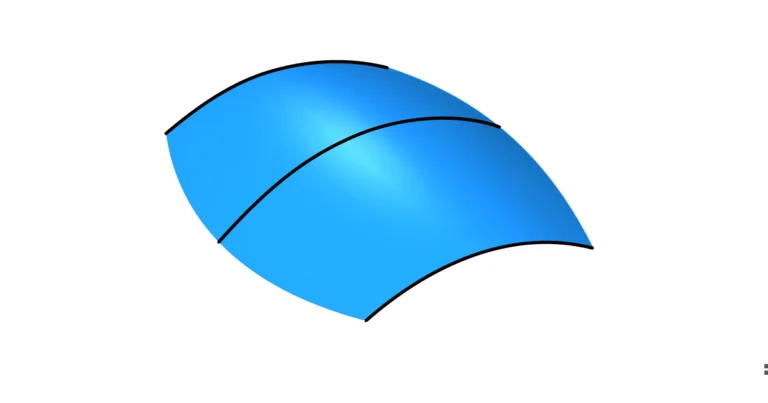
How to Loft in Grasshopper – Step-by-Step Guide
Lofting is a classic Rhino command that you should definitely know how to use in Grasshopper. In this article I’ll guide you through how to


Lofting is a classic Rhino command that you should definitely know how to use in Grasshopper. In this article I’ll guide you through how to
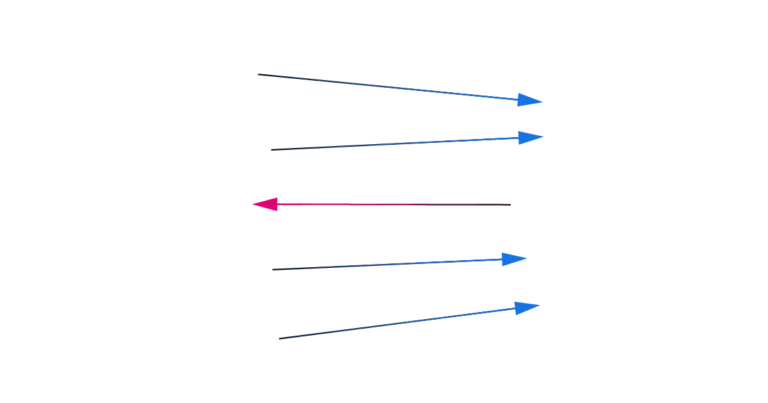
A single curve pointing in the wrong direction can mess up your entire Grasshopper script. To stay on top of curve direction in Grasshopper it’s
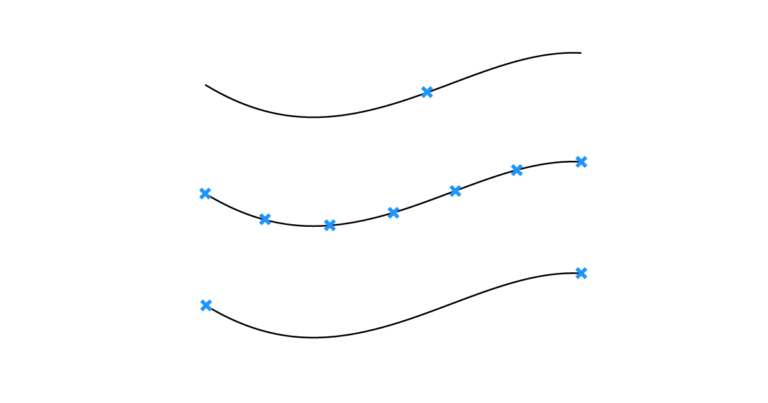
Grasshopper offers several components for extracting points from a curve. However, to fully leverage these components, it’s crucial to understand how Grasshopper defines locations on
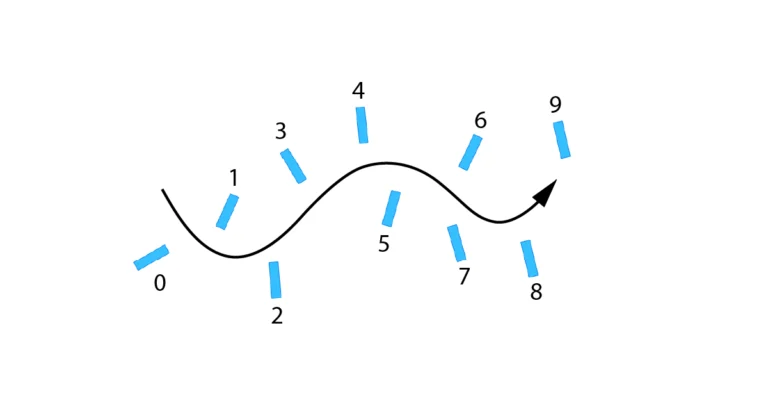
Having control over the order of elements in a list is essential when creating scripts in Grasshopper. But sometimes objects end up in a randomized
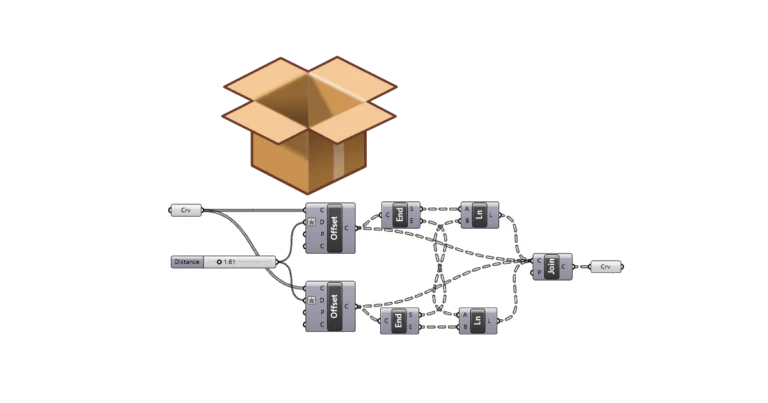
Grasshopper Clusters allow us to bundle frequently used script sequences into custom components, simplifying complex scripts and saving time. In this guide, I’ll show you
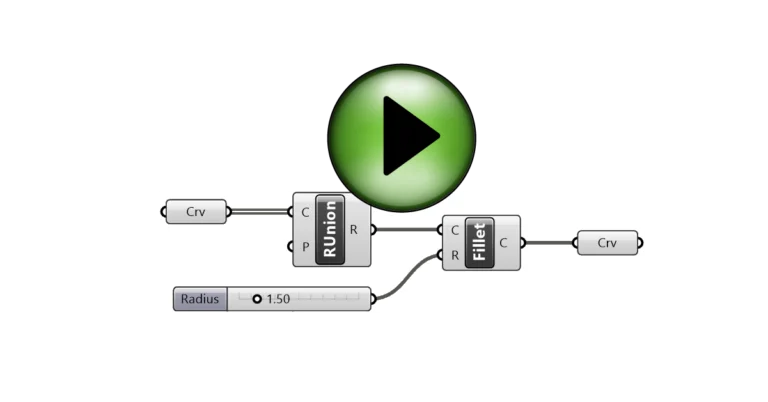
The Grasshopper Player inside Rhino allows us to run custom Grasshopper scripts within Rhino like normal commands, without launching Grasshopper. In this article, I’ll cover
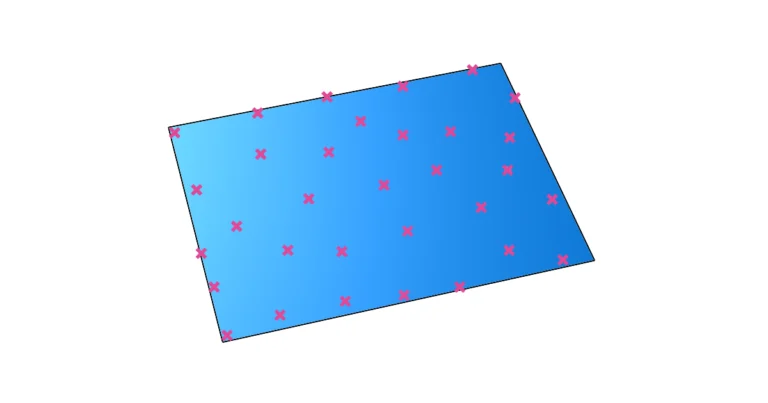
Randomness can be an attractive design feature when controlled well. Grasshopper offers two main methods for generating random points in your designs: the Random component
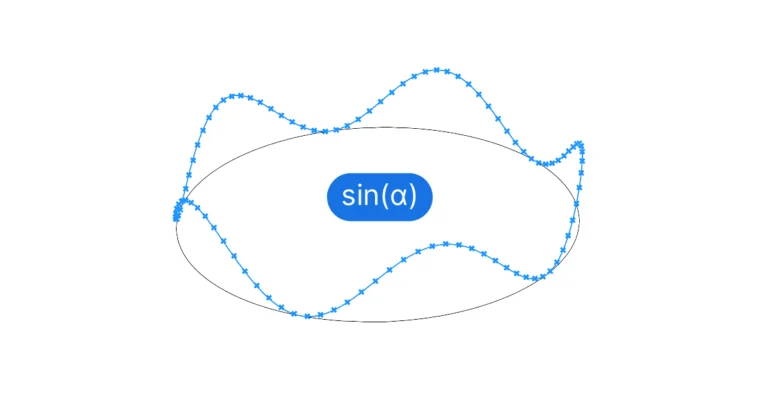
Creating a sine curve in Grasshopper involves generating a series of incremental values and using the Expression component to run the sine function on them.
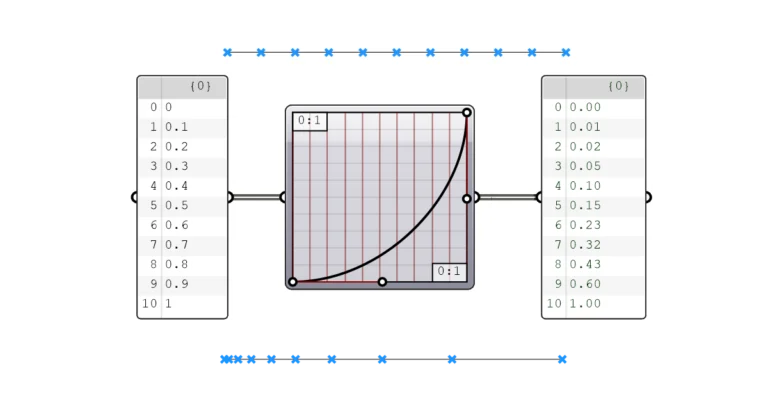
The Graphmapper component in Grasshopper allows us to redistribute a series of numbers using curve equations. By using interactive handles within the Graphmapper interface, we