
How to Improve Your Architecture Skills – A Practical Guide
Architecture is an ever-evolving field – both in how it is practiced, and in what is considered state-of-the-art architecture. This requires architects to keep their


Architecture is an ever-evolving field – both in how it is practiced, and in what is considered state-of-the-art architecture. This requires architects to keep their
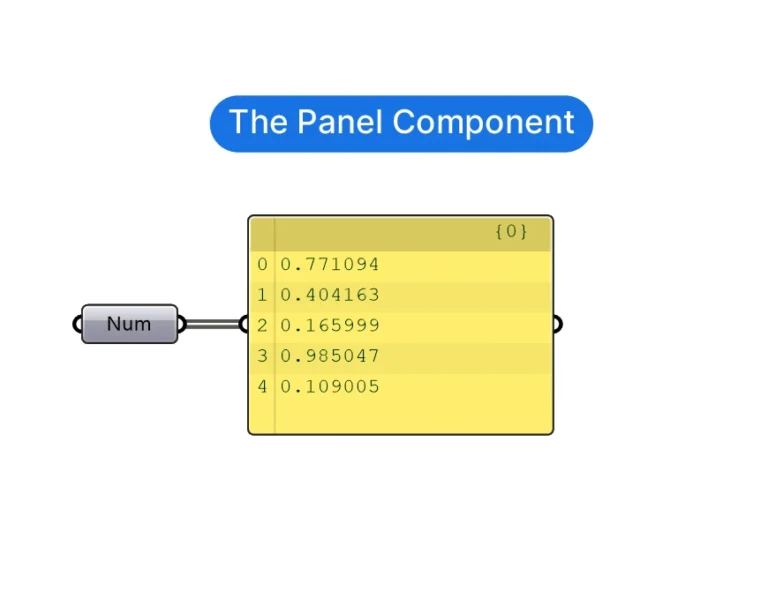
The Panel serves a dual function: it allows us to enter data manually but also to read the contents of other components’ output. It’s a
Install most plugins through Rhino’s Package Manager (type PackageManager in Rhino), or copy the plugin’s .gha file into Grasshopper’s Components Folder (File → Special Folders
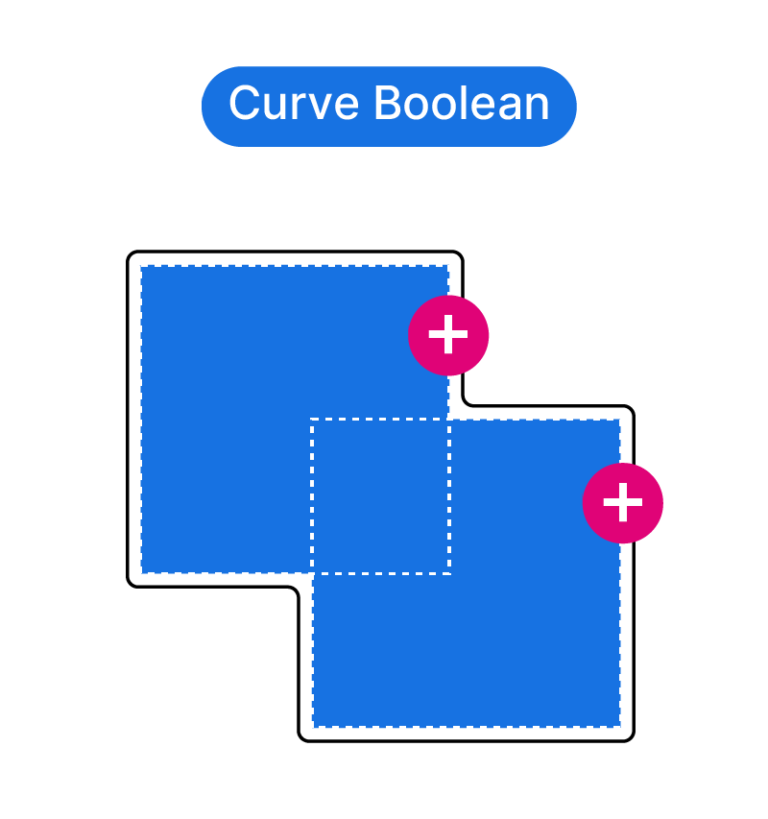
Curve booleans are the 2D equivalent of 3D boolean operations: they can union, intersect or subtract curve regions. In Grasshopper the curve boolean commands are
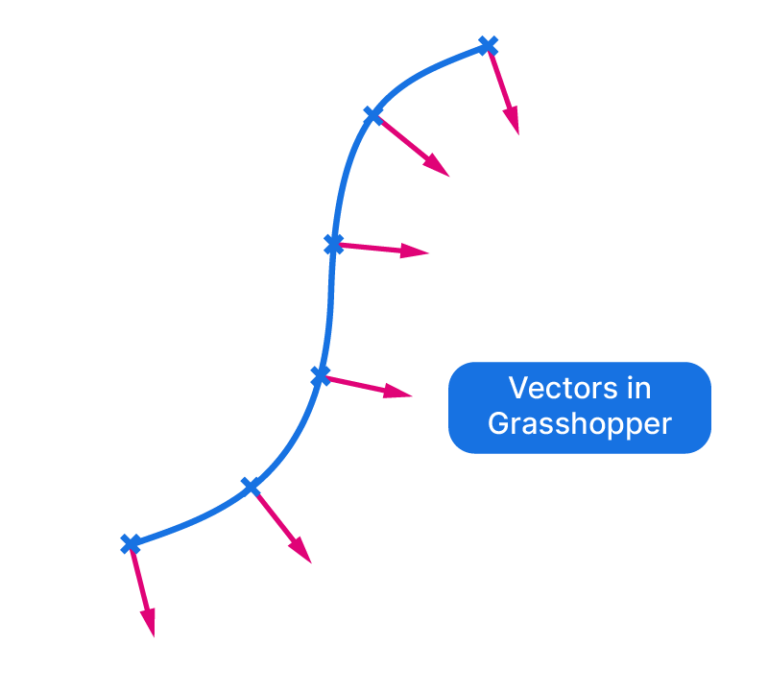
Vectors in Grasshopper are the secret ingredient to mastering parametric design in Rhino. There are several object types in Grasshopper that we never encounter within
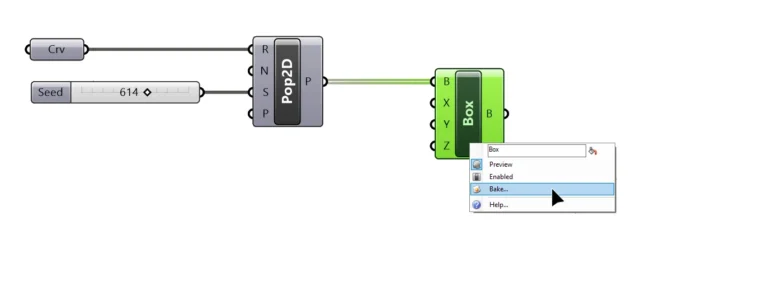
No matter what we create in Grasshopper, at the end of the day we want to be able to turn this result into good old

Grasshopper is a powerful Rhino plugin that enables architects to create parametric designs using visual programming. In this post, I’ll introduce you to the world
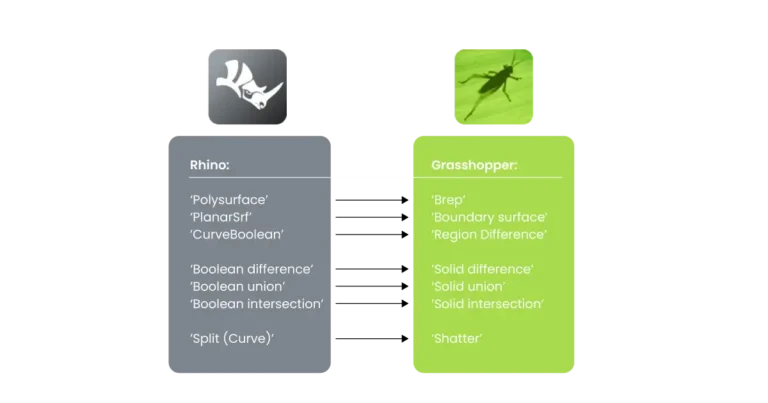
What in the world is a ‘Brep’? We’ve all been there: Grasshopper’s terminology can be confusing. Grasshopper can greatly enhance a designer’s workflow, but it
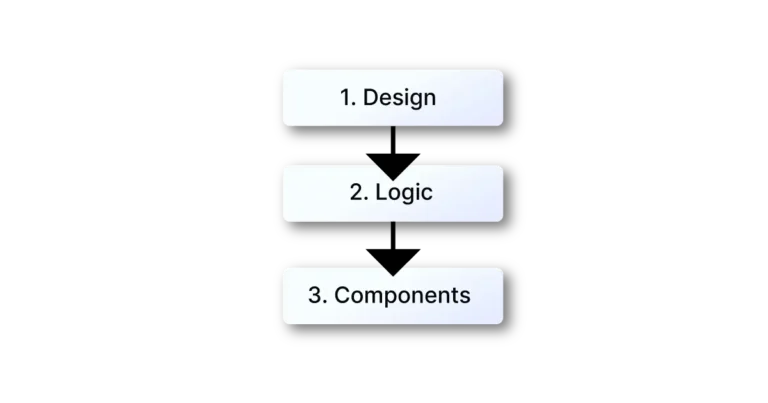
The parametric design process is a method of coming up with an idea, figuring out how to turn that idea into a sequence of logical